Your Journey Into Secure Digital Asset Protection
This updated JSX design represents a fresh and original interpretation of a secure onboarding interface for digital wallet users. The entire layout has been rebuilt with clarity and readability in mind, allowing new users to feel confident as they explore hardware-based security and wallet configuration. While the design draws inspiration from modern tech platforms, the text, structure, and styling presented here are fully custom, serving as a flexible tool for developers, learners, and UI designers.
When someone begins their wallet setup journey, the most important requirement is guidance that feels simple, safe, and informative. This JSX layout aims to achieve that by organizing content into well-spaced paragraphs that introduce the user to critical security concepts. Hardware wallets protect private keys by storing them in a secure environment that cannot be accessed by external systems. This characteristic is a major step forward in digital security, especially for individuals managing digital assets for the first time.
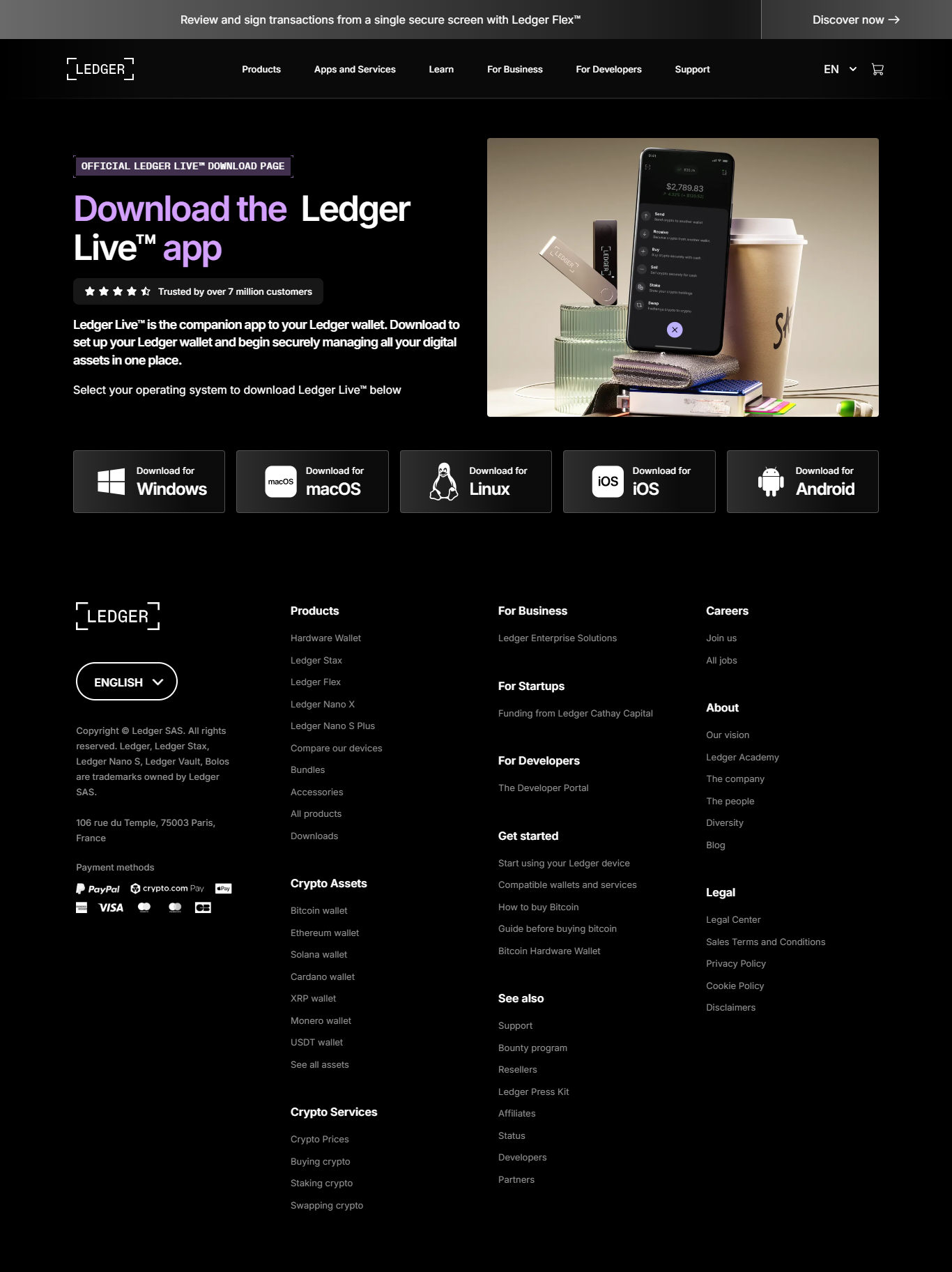
At the top of the page, users are greeted with a full-width hero image, followed by a bold black header. This design choice not only meets your layout requirements but also creates a structured visual flow. The clean black-and-white theme helps reinforce a message of reliability and technical strength. As the user scrolls downward, they enter the main content block, where information is delivered at a comfortable reading pace. Typography is kept simple and modern, allowing readers to focus fully on the guidance.
The onboarding process described in this content encourages users to move step-by-step. This typically involves connecting the device, installing supporting software, checking authenticity, and creating a recovery phrase. Each of these actions plays a significant role in ensuring long-term security. For instance, confirming the authenticity of the device helps prevent supply-chain manipulation, while safely storing a recovery phrase protects users from accidental loss. The text emphasizes these principles without using technical jargon, keeping the experience accessible even for beginners.
The content also offers general guidance for staying safe during the setup process. Users are encouraged to avoid unverified websites, ignore unsolicited messages, and never share sensitive information such as their recovery phrase. Real-world risks make these reminders essential, and a well-designed onboarding page should always highlight them. The structure here ensures these warnings are placed logically, embedded within the natural educational flow.
A unique element of this JSX demo is the reliance on inline styling. This method offers complete control over the appearance of every component while keeping everything inside a single file. Developers can adjust spacing, colors, or typography instantly without switching between multiple files. Inline styling is particularly useful for prototypes, demos, and environments where external stylesheets are not allowed. It ensures that the component remains portable, self-contained, and ready for immediate use.
The included interactive “Start Setup” button demonstrates how simple event logic can be integrated into a functional React component. With just a few lines of code, developers can expand this into multi-step flows, modals, device communication prompts, and more. This layout is designed to be expandable, giving creators a strong foundation for building advanced onboarding systems or educational modules. Every part of the component can be replaced, enlarged, restructured, or animated according to project needs.
Ultimately, this updated content is written to help users understand the role of secure hardware wallets and to show developers how a modern onboarding interface might be structured. Whether you plan to evolve this into a multi-screen setup wizard, integrate device status indicators, or create an interactive learning environment, the foundation provided here ensures clarity, simplicity, and modern UI principles. Its minimalist yet informative approach makes it suitable for both teaching and professional prototyping.